Brazilian Petunia
Brazilian Petunia, also known as Petunia exserta, is a flowering plant native to Brazil that has gained popularity in gardens and landscapes around the world due to its stunning red-purple flowers and easy maintenance. If you're thinking of adding Brazilian Petunia to your garden, read on to learn more about its care and culture.
Pain Points Related to Brazilian Petunia
Despite its beauty, Brazilian Petunia can become invasive if not properly managed, spreading quickly and taking over other plants. This can be a frustration for gardeners who must constantly trim and control its growth. Additionally, Brazilian Petunia is not as cold-hardy as other petunia varieties and may require more protection in colder climates.
What is the Target of Brazilian Petunia?
The target of Brazilian Petunia is any gardener or landscaping enthusiast who wants to add a splash of vibrant color to their outdoor space with a plant that is relatively low-maintenance and drought-tolerant. Brazilian Petunia is especially popular in Southern states due to its ability to thrive in hot, humid conditions.
Summary of Main Points
Brazilian Petunia is a beautiful and easy-to-care-for flowering plant that can add color to any garden or landscape. However, it can become invasive and may require careful management. This plant is ideal for gardeners in hot, humid regions who want a low-maintenance, drought-tolerant plant.
Brazilian Petunia: My Personal Experience
As a gardener in Southern California, I have found that Brazilian Petunia is an excellent addition to my garden. I love how the vibrant red-purple flowers contrast against my other plants, and I appreciate that Brazilian Petunia requires minimal attention to thrive. However, I have also learned that it can quickly take over other plants if not trimmed regularly. I recommend planting Brazilian Petunia in an area where it has space to spread without interfering with other plants or landscaping features.

Care and Culture of Brazilian Petunia
If you live in a hot, humid region and are considering adding Brazilian Petunia to your garden, it's important to know how to care for it properly. Brazilian Petunia prefers full sun and well-draining soil. It can tolerate drought but benefits from regular watering. To prevent it from becoming invasive, prune it regularly and don't allow it to spread into neighboring areas. Finally, be aware that Brazilian Petunia is not as cold-hardy as other petunia varieties and may require protection in colder climates.
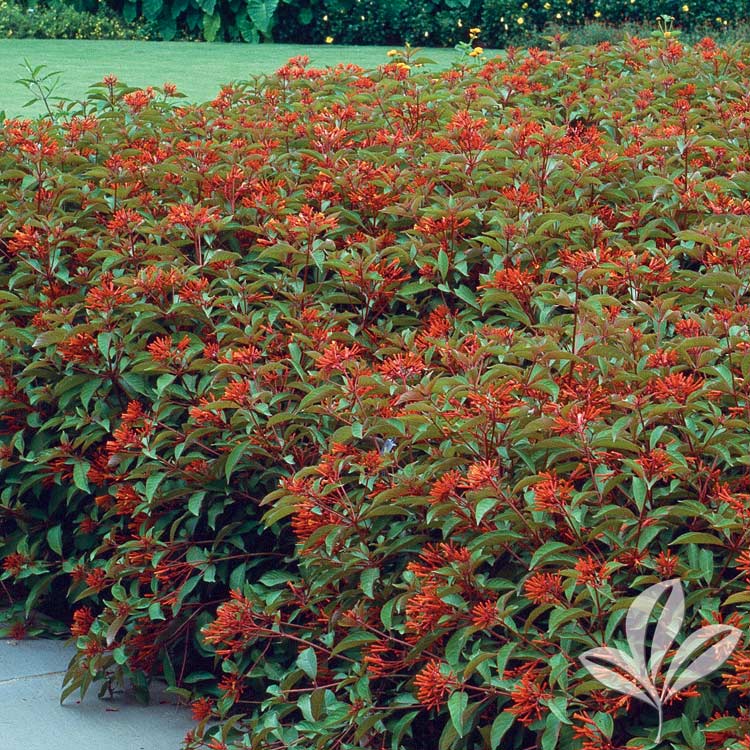
Managing the Invasiveness of Brazilian Petunia
If you're concerned about the potential invasiveness of Brazilian Petunia, there are several steps you can take to manage its growth. First, plant it in an area where it has room to spread without interfering with other plants. Second, prune it regularly to prevent it from spreading beyond its boundaries. Third, consider using a barrier to prevent it from spreading into unwanted areas. Finally, be aware of local regulations regarding the planting of invasive species and follow them closely.

Question and Answer
Q: Is Brazilian Petunia toxic to pets?
A: Brazilian Petunia is not considered toxic to pets, but it can cause gastrointestinal upset if ingested in large quantities.
Q: Can I grow Brazilian Petunia in a container?
A: Yes, Brazilian Petunia can be grown in a container as long as it has enough space to spread and the container has sufficient drainage.
Q: How often should I water Brazilian Petunia?
A: Brazilian Petunia is drought-tolerant and can survive with minimal watering, but it benefits from regular watering in hot, dry weather.
Q: Does Brazilian Petunia attract pollinators?
A: Yes, Brazilian Petunia is attractive to pollinators such as bees and butterflies.
Conclusion
Brazilian Petunia is a beautiful and low-maintenance flowering plant that can add vibrant color to any garden or landscape. However, it can become invasive if not managed properly and may require more protection in colder climates. It is ideal for gardeners in hot, humid regions who want a drought-tolerant plant that attracts pollinators. By following proper care and pruning techniques, you can enjoy the beauty of Brazilian Petunia without worrying about its potential invasiveness.
Gallery
Petunia Exserta - Brazilian Red Petunia Care And Culture | Travaldo's Blog

Photo Credit by: bing.com / petunia exserta fleming rhonda
PlantFiles Pictures: Ruellia Species, Brazilian Petunia, Elegant

Photo Credit by: bing.com / ruellia elegans petunia wild they begin striking buds bloom somewhat stand above plant light color brazilian species elegant brilliant turn
Image - Ruellia Devosiana (Brazilian Wild Petunia) | BioLib.cz
Photo Credit by: bing.com / petunia ruellia petunias biolib zahrada botanická
Brazilian Red Petunia – Plants For Texas
Photo Credit by: bing.com / mexican firebush red petunia compact brazilian texas plants plant
Petunia Exserta - Brazilian Red Petunia Care And Culture | Travaldo's Blog
Photo Credit by: bing.com / petunia exserta brazilian nd faroutflora nc