Spearleaf Stonecrop
Spearleaf Stonecrop: Beauty and Functionality in One Plant
Are you looking for a plant that not only looks great but also has practical uses? Look no further than spearleaf stonecrop. This succulent plant is not only aesthetically pleasing but also has several medicinal and culinary applications.
Spearleaf stonecrop, also known as lance-leaved stonecrop, is a perennial succulent that can be found growing in many parts of North America. Its leaves are lance-shaped and are covered in small, fleshy bumps. The plant is topped with clusters of small yellow flowers in the late summer and early fall.
The medicinal properties of spearleaf stonecrop have been known for centuries. Native American tribes have used the plant to treat a variety of ailments such as colds, coughs, and headaches. The plant is also known for its ability to treat burns and wounds due to its anti-inflammatory and antiseptic properties.
If you're looking to add spearleaf stonecrop to your garden, it's important to know that the plant prefers well-draining soil and plenty of sunlight. It's also drought-tolerant, making it an excellent choice for those in dry areas.
Spearleaf Stonecrop in the Kitchen
In addition to its medicinal properties, spearleaf stonecrop has culinary uses as well. The leaves of the plant have a sweet and sour taste, making them an excellent addition to salads or as a garnish. They can also be pickled or used in jams and jellies. The plant's seeds are edible as well and can be used as a seasoning or in baking.
However, it's important to note that spearleaf stonecrop should only be consumed in moderation as it contains oxalic acid, which can be harmful if ingested in large amounts.
Landscaping with Spearleaf Stonecrop
Spearleaf stonecrop's beauty and versatility make it an excellent addition to any garden. Its low-growing habit and drought tolerance make it perfect for rock gardens or as a ground cover. Its stunning clusters of yellow flowers also make it an excellent choice for bordering garden beds.
When planting spearleaf stonecrop, make sure to give each plant enough space to grow as they can quickly outgrow their space and become invasive.
Medicinal Properties of Spearleaf Stonecrop
Spearleaf stonecrop contains several compounds that make it an effective natural remedy. One of the plant's most important compounds is flavonoids, which are antioxidants that help protect the body against damage caused by free radicals. The plant also contains tannins, which have astringent properties that help stop bleeding and reduce inflammation.
Additionally, spearleaf stonecrop has been shown to have antibacterial and antiviral properties. These properties make it an excellent choice for treating infections, colds, and flu-like symptoms.
Cultivating Spearleaf Stonecrop
If you're interested in growing spearleaf stonecrop, it's important to choose a location with well-draining soil and plenty of sunlight. The plant is drought-tolerant and doesn't require much watering once established. It's also a low-maintenance plant that doesn't require fertilization or much pruning.
FAQs about Spearleaf Stonecrop
Q: Can spearleaf stonecrop grow in shade?
A: Spearleaf stonecrop prefers full sun but can grow in partial shade.
Q: Is spearleaf stonecrop invasive?
A: If not contained, spearleaf stonecrop can become invasive. It's important to give each plant enough space to grow and to keep it contained within a designated area.
Q: How do I propagate spearleaf stonecrop?
A: Spearleaf stonecrop can be propagated through stem cuttings or by dividing the plant's roots.
Q: Is spearleaf stonecrop safe for pets?
A: While spearleaf stonecrop is not toxic to pets, it's important to monitor your pets around the plant as the leaves can be a choking hazard if ingested.
Conclusion
Spearleaf stonecrop is a beautiful and versatile plant that deserves a place in any garden. Not only does it add aesthetic value, but it also has several medicinal and culinary uses. With its low-maintenance nature, drought tolerance, and resilience, it's no wonder that this plant has become a favorite among gardeners and natural health enthusiasts alike.
Gallery
Spearleaf Stonecrop, Sedum Lanceolatum (Rosales: Crassulaceae) - 1205041
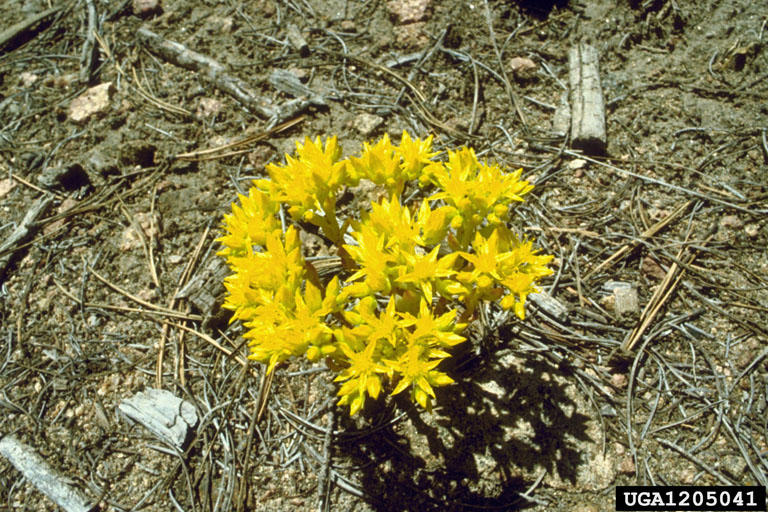
Photo Credit by: bing.com / lanceolatum sedum bugwood powell usda
Lanceleaf Stonecrop, Lance-leaved Stonecrop, Spearleaf Stonecrop: Sedum

Photo Credit by: bing.com / lanceolatum stonecrop sedum lanceleaf var upper along seen half july
Lanceleaf Stonecrop, Lance-leaved Stonecrop, Spearleaf Stonecrop: Sedum

Photo Credit by: bing.com / stonecrop lanceolatum sedum lance leaved siskiyou lanceleaf atop crest
Spearleaf Stonecrop | Jackmc | Flickr

Photo Credit by: bing.com / stonecrop jackmc
IMG_2837 - Lance-leaved Stonecrop, Sedum Lanceolatum | Flickr

Photo Credit by: bing.com / stonecrop sedum 2837 lanceolatum leaved