White Wonder Plant
If you've never heard of the white wonder plant, you're missing out on one of the most beautiful and practical additions to your garden. This resilient plant will not only brighten up your landscaping with its stunning foliage and delicate blooms, but it is also easy to grow and maintain. In this article, we'll explore the world of the white wonder plant, its benefits, and how to successfully incorporate it into your garden design.
White Wonder Plant Pain Points
Gardening can be a difficult and frustrating hobby, especially when it comes to maintaining healthy and beautiful plants. Some common pain points include inadequate sunlight, infestations of pests or diseases, and lack of suitable growing conditions. However, with the white wonder plant, these issues can be minimized, making it an ideal choice for those who are just starting out or experienced gardeners looking for a low-maintenance option.
Target of White Wonder Plant
The white wonder plant is a type of ground cover that features small, ornamental foliage in green and white tones. It produces delicate blooms during the spring and summer months, which attract pollinators like bees and butterflies. This plant is particularly useful for covering areas of bare ground, preventing soil erosion, and adding texture and interest to garden beds.
Summary of Main Points
The white wonder plant is a resilient and easy-to-grow option for gardeners of all skill levels. Its benefits include providing ground cover, preventing soil erosion, and attracting pollinators like bees and butterflies. It is also a low-maintenance option that can thrive in a variety of growing conditions.
The White Wonder Plant in Detail
My personal experience with the white wonder plant has been nothing short of delightful. After struggling with other types of ground cover that required constant maintenance and care, I was thrilled to discover this resilient option. Not only does it provide a visually stunning addition to my garden, but it has also helped to control weeds and protect the soil underneath.
One of the best things about the white wonder plant is its versatility. It can be grown in a variety of soil types, and thrives in both sun and shade. Additionally, its hardy nature makes it resistant to pests and diseases, making it a low-maintenance choice for gardeners who don't want to spend all their time tending to their plants.
White Wonder Plant Benefits
One of the primary benefits of the white wonder plant is its ability to prevent soil erosion. This makes it an ideal choice for areas that experience heavy rainfall or have sloping terrain. The delicate blooms of the plant also attract pollinators like bees and butterflies, making it an important addition to any garden ecosystem.
The white wonder plant is also incredibly resilient, able to withstand drought, heat, and cold temperatures. This makes it an excellent option for gardeners who live in areas where weather conditions can be unpredictable.
Growing the White Wonder Plant
If you're interested in adding the white wonder plant to your garden, there are a few things to keep in mind. First, it is important to make sure that the soil is well-draining, as this plant is susceptible to root rot. Additionally, it is best to plant the white wonder plant in the spring, after the last frost has occurred.
When planting, make sure to space the plants about a foot apart, to allow for ample growth. Water regularly, especially during hot and dry weather. With proper care, the white wonder plant will thrive and provide a visually stunning addition to your garden.
Question and Answer
Q: Is the white wonder plant safe for pets?
A: Yes, the white wonder plant is non-toxic for pets.
Q: What kind of pests are the white wonder plant susceptible to?
A: The white wonder plant is relatively resistant to pests, but may be susceptible to spider mites or aphids. Regular monitoring and treatment with insecticidal soap can help prevent infestations.
Q: How often should I water the white wonder plant?
A: The white wonder plant prefers well-draining soil, and should be watered regularly, especially during hot and dry weather. Check the soil moisture level before watering, and avoid over-watering, as this can lead to root rot.
Q: Will the white wonder plant grow in a shady area?
A: Yes, the white wonder plant is able to grow in both sun and shade, making it a versatile option for a variety of garden conditions.
Conclusion
The white wonder plant is a resilient and versatile addition to any garden. With its ability to provide ground cover, prevent soil erosion, and attract pollinators, it is an ideal choice for gardeners of all skill levels. By following proper care and planting instructions, the white wonder plant is sure to thrive and bring beauty and interest to your landscaping for years to come.
Gallery
Delosperma Cooperi 'White Wonder' | Wheels Of Wonder® Ice Plant | Kings
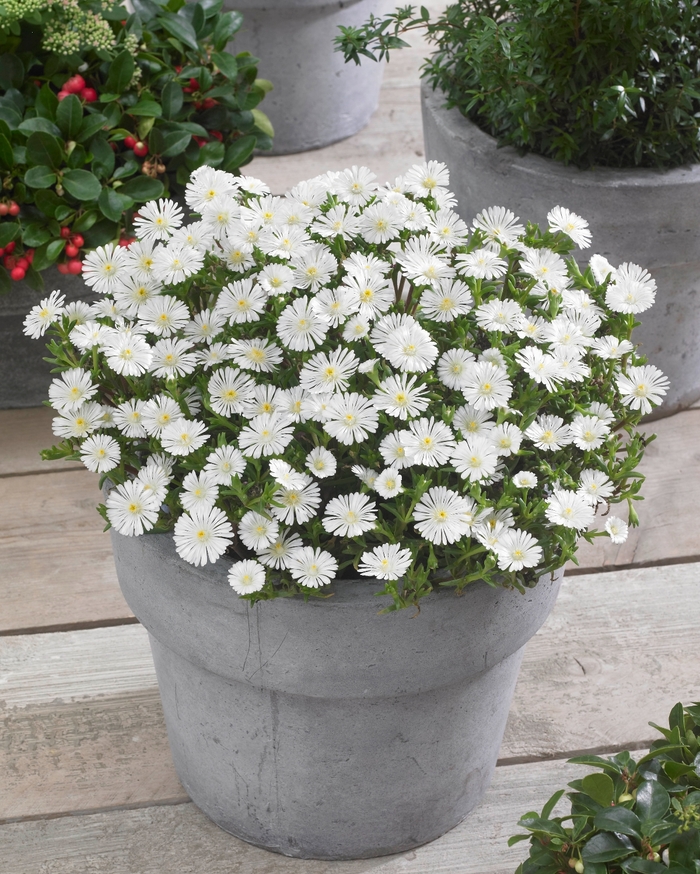
Photo Credit by: bing.com / wonder delosperma wheels plant cooperi ice
Hedera Helix 'White Wonder' | Plants, Starter Plants, Ground Cover

Photo Credit by: bing.com / hedera helix ivy green glacier wonder variegated plant plants choose board leaves visit rooted
Eddie's White Wonder Flowering Dogwood (Cornus 'Eddie's White Wonder
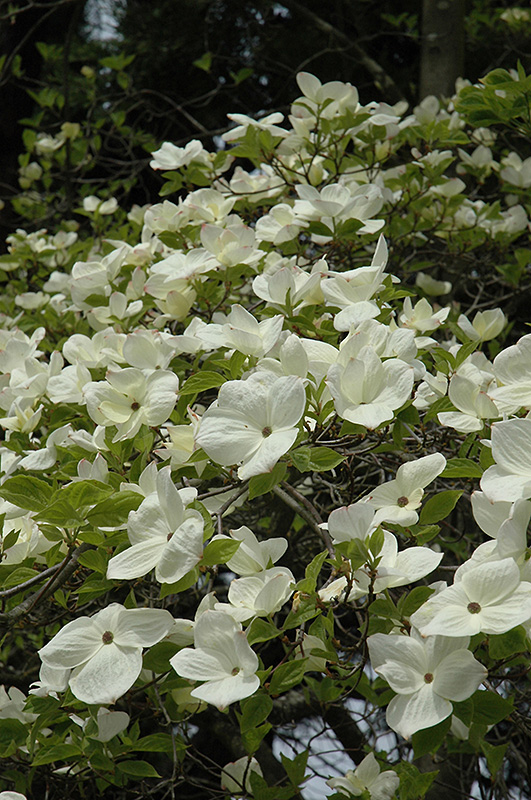
Photo Credit by: bing.com / wonder eddie dogwood cornus flowering eddies plants flowers
Buy Delosperma 'White Wonder' - Ice Plant - 8 Count Flat Of Quart Pots
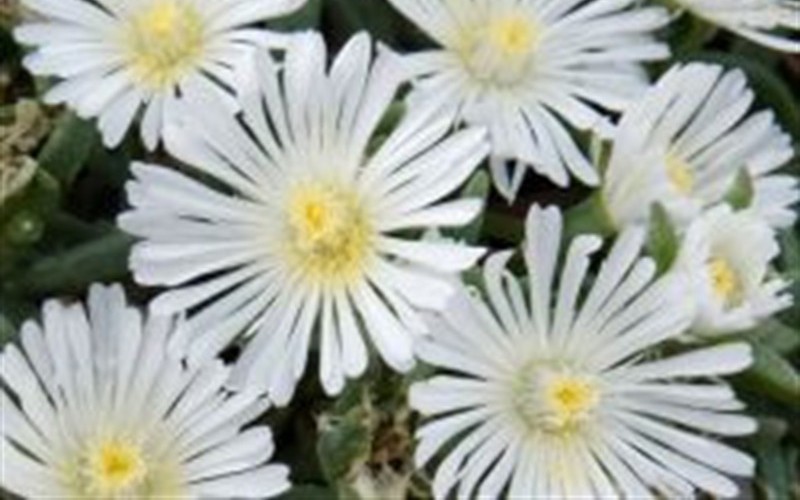
Photo Credit by: bing.com / ice delosperma plant wonder plants quart perennial count flat
White Wonder Cucumber Plant | Pasture Fire

Photo Credit by: bing.com / cucumber veg